
Q Fever Screening & Vaccination in Gippsland
On this page
Q Fever Quick Facts
- What is it? A bacterial infection commonly spread by breathing in contaminated dust or airborne particles.
- Who’s exposed? Farmers, livestock handlers, agricultural contractors and others working in contaminated environments.
- Symptoms: Fever, headaches, muscle pain and severe fatigue. Some infections can cause serious or lasting health problems.
- Vaccination: Vaccination is available for eligible people after blood and skin tests confirm suitability
Which Work Activities Can Expose You to Q Fever?
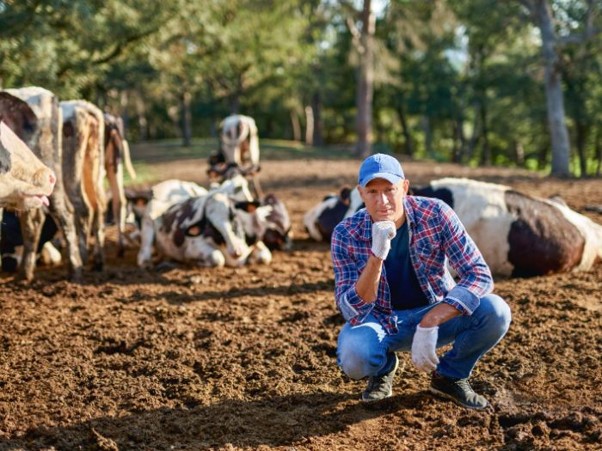
Livestock farming is part of everyday life around Maffra and across Gippsland. But Q fever exposure isn’t limited to people handling animals directly.
The bacteria that cause Q fever can become airborne, particularly when contaminated dust is disturbed.
Activities associated with exposure include:
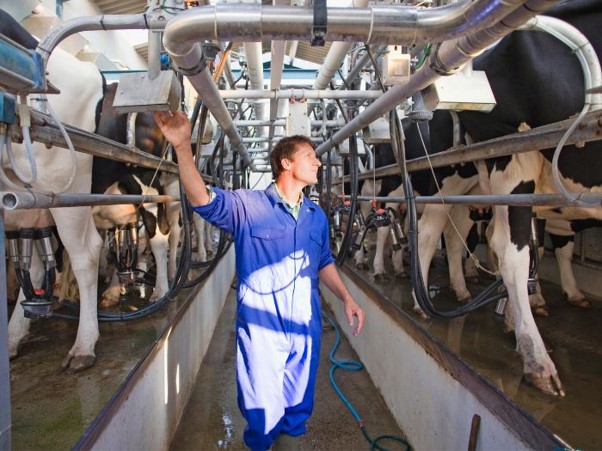
- Dairy farming: Working around cattle, sheds, yards and milking facilities.
- Livestock handling: Moving, transporting, feeding or working closely with cattle, sheep and goats.
- Animal births: Assisting with calving or lambing, or handling birth fluids and placentas.
- Cleaning and maintenance: Handling manure, bedding or contaminated materials in animal facilities.
- Mowing and slashing: Disturbing dust in areas where livestock or wildlife have been.
- Contracting and labouring: Working on farms or in environments where contaminated animal materials may be present.
Even occasional exposure can be relevant. You don’t necessarily need to own livestock or work directly with animals to encounter contaminated dust.
For more information about transmission and prevention, see the Australian Centre for Disease Control’s Q fever guidance [↗].
Q Fever Symptoms and Health Effects
Is Q fever another flu-like illness?
It can start that way. Some people experience mild symptoms or none at all, while others become seriously unwell.
Q fever is caused by the bacterium Coxiella burnetii. Infection usually occurs when someone breathes in contaminated airborne particles, rather than through ordinary contact with another person.
Common symptoms
Symptoms may include:
- High fever, chills and sweating
- Severe headaches
- Muscle and joint pain
- Significant tiredness or weakness
- Cough, nausea or general flu-like symptoms
Symptoms typically develop around two to three weeks after exposure, although the timing can vary.
Yes. Although many people recover, Q fever can sometimes cause pneumonia or inflammation of the liver (hepatitis).
Some people experience prolonged fatigue after the initial illness. A small proportion develop persistent infection, which can affect the heart or blood vessels and require lengthy treatment.
Pain relief such as paracetamol may help with fever or discomfort, but it does not treat the bacterial infection itself.
If you’ve developed symptoms after possible livestock or contaminated dust exposure, tell your GP about the work you’ve been doing.
Yes. Weather and seasonal farming activities can influence exposure to contaminated dust.
- Dry, windy conditions: Dust containing Q fever bacteria can become airborne and travel beyond livestock areas.
- Mowing and slashing: Disturbing dry grass, soil or dust where infected animals have been can increase exposure.
- Calving and lambing: Animal birth fluids and placentas can contain high concentrations of the bacteria, making these activities particularly relevant.
Q fever exposure can occur throughout the year, so it’s important not to assume the risk disappears during wetter or cooler months.
A Farmer’s Experience
South Australian livestock producer Ollie Clothier speaks with GP Dr Scott Lewis about his experience with Q fever. Their discussion offers a farming perspective on an illness that can be easy to overlook.
Watch: Q Fever with producer Ollie Clothier and GP Dr Scott Lewis
Q Fever Screening & Vaccination: What Happens?
Q fever vaccination is recommended for eligible people whose work or activities put them at risk of exposure.
However, screening must happen before vaccination. People who have previously been infected or vaccinated can be at increased risk of significant reactions if vaccinated again.
The process generally involves three stages.
Your GP will ask about previous Q fever infection, vaccination and relevant medical history.
If you’ve had Q fever screening or vaccination through a previous employer, mention this before arranging further testing.
Screening generally involves two tests:
- Blood test: Checks for evidence of a previous immune response to Q fever.
- Skin test: A small amount of diluted Q fever vaccine antigen is injected into the skin to check for a reaction.
The skin test is usually checked seven days later, so you’ll need to return to the clinic.
The results help determine whether vaccination is appropriate.
If screening indicates you’re eligible, your clinician can advise on receiving the Q fever vaccine.
Vaccination is generally given as a single dose. Possible side effects include soreness or redness at the injection site, headache and tiredness. Your clinician can explain the benefits and risks before vaccination.
The Australian Immunisation Handbook [↗] provides detailed recommendations on Q fever vaccination and pre-vaccination screening.
Q Fever Exposure Self-Check
Did you know Q fever exposure isn’t limited to people working directly with cattle? Take this quick self-check to see how often your activities may put you in contact with Q fever bacteria. Answer based on your usual work or activities.
Question 1: How often do you work near cattle, sheep or goats?
Question 2: Do you assist with animal births or handle placentas or birth fluids?
Question 3: How often do you work in dusty livestock yards, sheds or holding areas?
Question 4: Do you handle manure, animal bedding or waste from livestock facilities?
Question 5: Do you mow, slash or disturb dust in areas used by livestock or wildlife?
Question 6: Do you transport livestock or clean/wash vehicles and equipment used around animals?
Question 7: Do you work on farms or livestock properties without directly handling animals?
Question 8: How often do you visit or work in livestock environments outside your usual job?
Q Fever Screening at Maffra Medical Centre
Livestock and farming are a big part of life around Maffra.
Our local team understands the importance of Q fever protection for people working on farms and in the wider agricultural community.
We’re here to help you arrange screening locally.
Visit our Q Fever Screening and Vaccination page for appointment details, or see our fees information for costs.
Frequently Asked Questions
Costs can vary depending on the screening tests, consultations and vaccination arrangements. Check Maffra Medical Centre’s fees information and confirm the total expected cost with the practice.
Both tests help identify evidence of previous Q fever exposure or an immune response. Screening is important because vaccinating someone who has previously been infected or vaccinated can cause significant reactions.
The skin test is usually read approximately seven days after it is administered. Your clinician will explain when results are available and whether a further appointment for vaccination is appropriate.
Common reactions can include injection-site soreness, redness, headache or tiredness. More significant reactions are possible, particularly in people with previous Q fever immunity, which is why pre-vaccination screening is required.
Yes. Breathing in contaminated airborne dust can cause infection, including when cleaning, mowing or working in environments where infected animals have been. Direct animal contact isn’t always necessary.